A new concrete driveway is a big job. It sets the look of your home for decades. It also takes the daily hit from cars, rain, and moss. A good plan up front saves money later.
Stickeating Concrete is a referral service. It does not pour concrete. This site explains what drives the price in plain words. Then it connects you with independent providers in our network who serve the Carbonado area. They set their own prices. They do the work. You compare written quotes and pick the one that fits your home and budget. Along the way, you will learn the signs of a failing slab, what each step of a project involves, and which questions to ask before you hire.
Start Here: Is It Time for a New Driveway?
Most people ask this first. The answer comes from the shape of the slab, not its age. A slab is the flat block of concrete you drive on. If it still sits flat and solid, you may not need a new one. If it is breaking apart, read on.
Signs You Need a New Driveway
Look at the whole surface. Walk it after a hard rain.
- Cracks wider than a pencil, or cracks that run across the full slab
- Sunken spots where water pools
- Chunks missing at the edges
- A rough, flaky top layer
- Slabs that rock or sit at different heights
One small crack is normal. Many cracks across the slab mean the ground under it has moved. Patching rarely fixes that. People often search for concrete driveway repair first. If most of the slab is hurt, a full replacement usually costs less over time than patch after patch.
Why Wet Weather Matters Here
Long, steady rain is hard on concrete. Water soaks into the ground under the slab. Soft ground sinks. Then cracks follow. Moss and damp also make a surface slick.
A good driveway sheds water. It sits on firm, well-drained ground. It slopes gently away from the house. Ask every provider how they plan to handle drainage.
What a New Driveway Project Includes
The steps are simple. Each one affects the price.
- Tear-out. Crews break up the old slab and haul it away.
- Grading. They level the ground and set the slope.
- Base. A layer of packed gravel goes down for support.
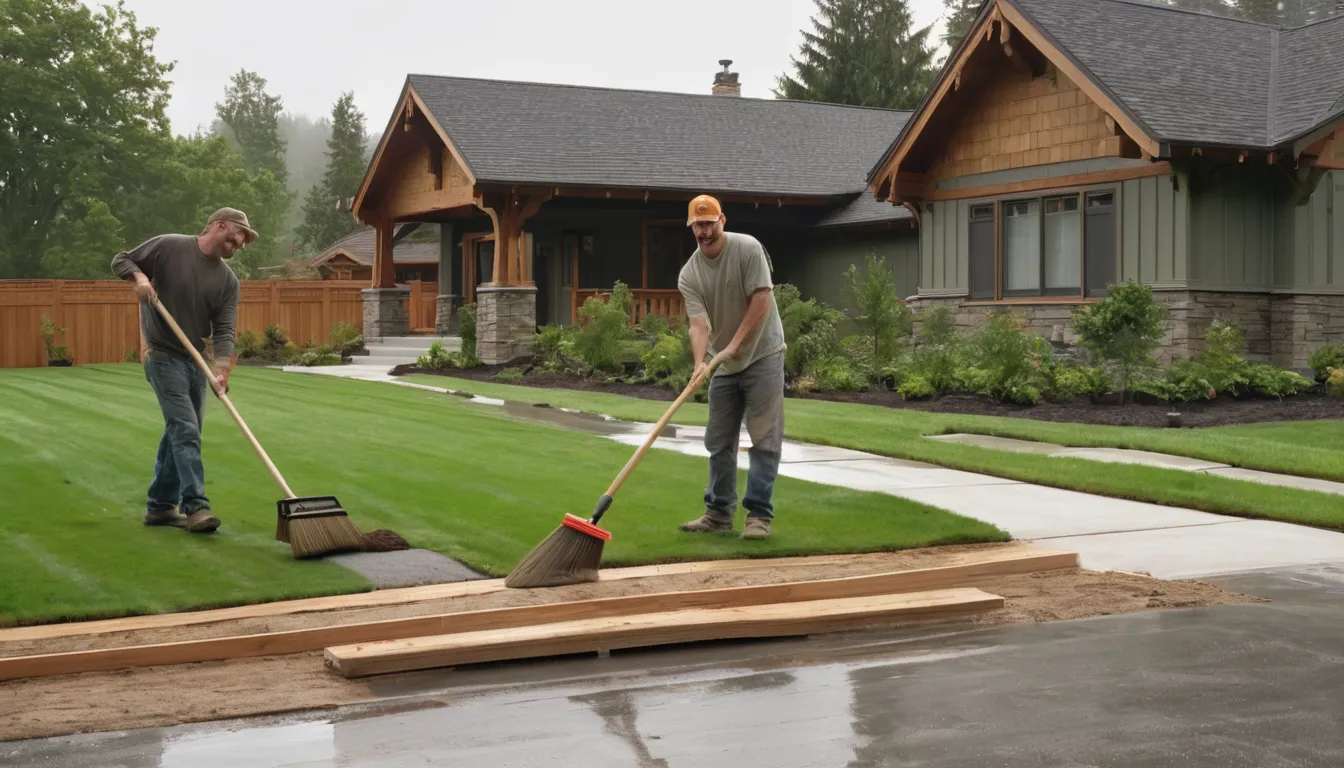
- Forms and rebar. Wood frames shape the edges. Steel bars or wire mesh help hold cracks tight.
- Pour and finish. Wet concrete goes in, then workers smooth and texture it.
- Joints. Cut lines let the slab crack in neat, planned spots.
- Cure. The slab hardens and gains strength.
This type of work is often called concrete flatwork. That just means slabs poured flat, like drives, walks, and pads.
Look Below the Surface First
Sometimes a drive fails because of what is under it. Poor drainage can wash soil away. On homes with crawl spaces, water near the foundation can be a bigger worry than the slab. If you see cracks in the house walls, or doors that stick, ask about foundation repair experts. A driveway provider may not do that work. A new slab will not fix a shifting house.
Choosing Size, Thickness and Finish
Size. Measure how many cars you park. A one-car drive is often 10 to 12 feet wide. A two-car drive is often 20 to 24 feet wide. Wider slabs cost more.
Thickness. Most home drives are 4 inches thick. Heavy trucks or RVs may need 5 or 6 inches. Thicker slabs cost more but last longer.
Finish. A broom finish drags a brush across wet concrete. It leaves fine lines for grip. That helps a lot on damp days. Smooth finishes look sleek but get slick when wet.
Strength. Ask about the concrete mix. Mixes made for freezing and wet weather hold up better.
Permits and the Street Apron
The apron is the part of the drive that meets the street. In many towns, the city owns that strip. You may need a permit to rebuild it. Some towns also have rules on drive width, slope, and drainage.
Ask each provider who pulls the permit. Ask who pays the fee. Get that answer in writing.
Pour with the Weather
Concrete needs the right weather. Heavy rain can ruin a fresh surface. Very cold nights can damage it too. Mild, dry spells are ideal.
In a long wet season, good timing matters. Many homeowners book in late spring or summer. Calendars fill fast then. Booking early gives you more choice. Providers also use covers and plan around the forecast. Ask how they handle a rain delay.
What Drives the Price
Five things move the number most.
- Size. More square feet means more concrete and labor.
- Tear-out. Old slabs cost money to break and haul.
- Ground. Slopes, soft soil, and tight access add work.
- Thickness and steel. More depth and rebar raise the cost.
- Finish. Plain broom is the most budget-friendly finish. Fancier looks cost more.
A driveway is not priced by one flat number. Prices vary by job and by region. Use the ranges on this page as a rough guide only.
Quote in Writing
Always get the price on paper. A good quote lists the size, thickness, base, steel, finish, tear-out, permit, and cleanup. It also says when the work starts and how you pay.
Get two or three quotes. Compare line by line. A price far below the others often means something is missing.
Choosing a Concrete Contractor
Stickeating Concrete does not vet or rate providers, so do your own checks.
- Ask for proof of license where your state requires one.
- Ask for proof of insurance.
- Ask to see past driveway work.
- Ask how long they let concrete cure.
- Ask what happens if cracks show up early.
A reliable provider answers these without fuss.
After the Pour
Keep cars and heavy loads off for the time your provider gives you. Many say about 7 days for cars. Full strength takes about 28 days. Keep foot traffic and pets off at first.
A sealer is a clear coat that blocks water. It helps in wet climates. Many providers suggest sealing after the slab has cured. Wash off moss and damp patches when they show up. Do not use harsh salt on the slab.
Ready to Start?
Request a callback to check provider availability in your area. Or request an estimate and tell us about your drive. There is no obligation.
What's Included
Old Slab Tear-Out
Providers break up the worn driveway, haul away the debris, and clear the site for new work.
Grading and Base
Crews level the ground, set the slope, and pack gravel so the slab sits firm.
Forms and Steel
Wood frames set the shape. Rebar or mesh helps hold the slab together.
Pour, Finish, Cure
Concrete goes in, gets smoothed and textured, then rests until it is hard.
Typical Driveway Prices in Plain Words
These are typical U.S. ranges. Your price depends on size, ground, and finish. Always get a written quote before you agree to work.
| Item | Typical range | Notes |
|---|---|---|
| New plain concrete, per sq. ft. | $6 – $12 | Basic broom finish on a good base |
| One-car driveway (about 250 sq. ft.) | $1,800 – $3,500 | Total job, simple site |
| Two-car driveway (about 600 sq. ft.) | $4,000 – $8,000 | Total job, simple site |
| Old slab tear-out and haul | $1 – $3 per sq. ft. | Depends on thickness and steel |
| Extra gravel base or grading | $500 – $2,500 | Higher on soft or sloped ground |
| Permit and street apron work | $100 – $1,500 | Rules vary by town |
How It Works
Tell Us Your Plan
Request a callback or send the request form with your drive size and goals.
Get Matched With Providers
We connect you with independent local providers who handle new driveway work.
Compare Written Quotes
Review each quote line by line. Check size, thickness, base, finish, and permits.
Pick Your Provider
Choose the provider and a start date. They set the price and do the work.
Why Call Stickeating Concrete
Clear Price Guidance
We explain what drives the cost, so you can read a quote and spot gaps.
Local Providers
Independent providers in our network know wet-season pours and local town rules.
Written Quotes
We push you to ask for the price on paper before any work begins.
No Obligation
Ask questions and compare options. You choose if and when to hire a provider.
Other Services
Need concrete driveways in Carbonado?
- Plain-English price ranges before you decide
- Local providers in our network
- Written quotes you can compare easily
- No obligation to hire
Concrete Driveways FAQ
How much does a new concrete driveway cost?
Typical U.S. prices run about $6 to $12 per square foot for plain concrete. A two-car drive often lands between $4,000 and $8,000. Size, tear-out, and ground all change the price, so get a written quote.
How long does a concrete driveway last?
A well-built concrete driveway can last 25 to 30 years or more. Good drainage, a firm base, and the right thickness help a lot. Sealing and moss cleanup in wet climates also add life.
How long before I can drive on a new concrete driveway?
Many providers say to wait about 7 days before driving cars on it. Full strength takes about 28 days. Heavy trucks should wait longer. Follow your provider's advice, since weather can change the timing.
We service you here
Carbonado Waller Kent Fife Graham Summit Parkland Tacoma Lakewood Clover Creek Sumner South Hill Spanaway Lake Tapps Frederickson
Tell us what happened
Planning a new driveway or patio? Request a callback to check provider availability, or send the short request form. No obligation.
No obligation